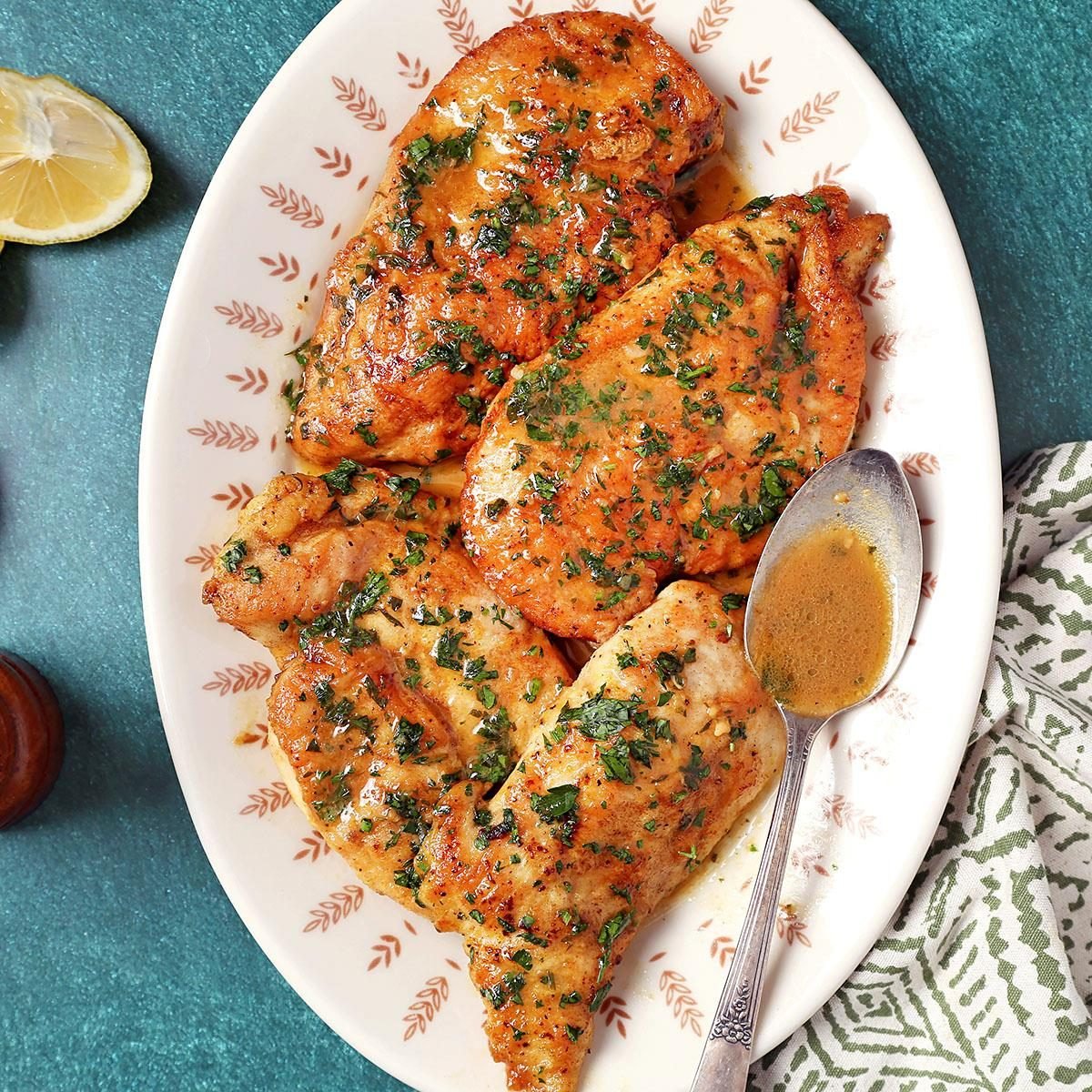
Homemade Lemon Pepper Chicken: Zest for Real Flavor, No Mix
Tired of store-bought seasonings that promise bold flavor but deliver a one-note, often artificial, experience? When it comes to
lemon pepper chicken, the true magic lies not in a shaker bottle, but in the vibrant, aromatic power of fresh ingredients. Forget the notion that authentic flavor requires complex recipes or exotic spices. This guide unveils the surprisingly simple secret to crafting incredibly zesty, deeply flavorful homemade lemon pepper chicken that will make you wonder why you ever reached for a packet. It's a midweek meal marvel, a picky-eater pleaser, and a testament to the fact that sometimes, the simplest ideas yield the most delicious results.
Unlocking True Lemon Flavor: The Zest Secret
The cornerstone of truly exceptional
homemade lemon pepper chicken isn't lemon juice – it's the zest. This might seem counterintuitive, as we often associate lemons with their tangy, acidic juice. However, the distinct, bright "lemon" flavor that we crave, the one that makes your mouth water with its fragrant aroma, resides almost entirely in the peel.
Here's why the zest is paramount:
- Aromatic Oils: The outer layer of a lemon's peel, the zest, is packed with essential oils, particularly limonene. These oils are responsible for the complex, fragrant, and truly lemony taste profile. They provide a depth of flavor that is miles away from the simple sourness of lemon juice.
- Flavor vs. Acidity: Lemon juice, while refreshing, is primarily sour due to its high citric acid content. While a touch of acidity can brighten a dish, too much can overpower and make the chicken tangy rather than zesty. Authentic lemon pepper chicken is characterized by its bright, clean lemon aroma and a gentle, peppery kick, not an acidic bite.
- Maintaining Integrity: Many store-bought lemon pepper seasonings achieve their "lemon" flavor through dried zest or, worse, artificial flavorings and citric acid. Drying zest can diminish its vibrant volatile oils, leading to a duller taste. By using fresh zest, you capture the peak of lemon's aromatic power, delivering an unparalleled fresh flavor.
This revelation is key to achieving a genuinely zesty chicken that isn't sour or overly tangy. It’s about leveraging the true essence of the lemon to create a memorable culinary experience with minimal effort.
Crafting Your Own Zesty Rub: The No-Fuss Method
The beauty of this homemade
lemon pepper chicken recipe lies in its simplicity and speed. You don't need to dry out lemon zest for hours or create a special seasoning blend ahead of time. This method allows you to conjure up real flavor on a whim, perfect for any weeknight dinner.
Here's the genius technique:
- The Zest-Olive Oil Alliance: Start by finely zesting your lemons. Aim for only the bright yellow part, avoiding the bitter white pith. Combine this fresh zest with just a *small amount* of good quality olive oil. The olive oil acts as a carrier, helping to distribute the aromatic zest evenly across the chicken and ensuring it adheres beautifully during cooking. The key here is moderation – too much oil, and the zest might simply run off. We want a thick, fragrant paste, not a watery marinade.
- Slather and Adhere: Generously slather this vibrant lemon-zest-and-oil rub all over your chosen chicken pieces. Whether you're using boneless, skinless chicken breasts sliced into cutlets, tender chicken thighs, or even a whole roasted chicken, this rub forms the aromatic foundation.
- The Flavor-Packed Coating: Once the chicken is coated, prepare a shallow dish with a seasoned flour mixture. This is where the "pepper" in lemon pepper chicken truly shines, along with other essential flavor enhancers. Mix all-purpose flour with a generous amount of freshly ground black pepper (adjust to your spice preference), garlic powder (or onion powder for a slightly different note), and salt. The garlic powder adds a wonderful depth of savory flavor without the moisture or potential for burning that fresh garlic might introduce in some quick-cooking methods.
- Dredge and Develop: Dip each piece of oil-and-zest-coated chicken into the seasoned flour, ensuring an even coating. This not only helps the spices stick but also creates a delicious crispy crust when seared or baked, locking in moisture and flavor.
This method eliminates the guesswork of achieving a real lemon flavor, directly applying the zest where it matters most, and providing a perfect vehicle for the pepper and savory notes to shine.
From Pan to Plate: Cooking Your Lemon Pepper Chicken Perfection
Once your chicken is prepped with that irresistible lemon pepper coating, the cooking possibilities are endless, making this dish incredibly versatile for any kitchen and schedule. The goal is always tender, juicy chicken with a golden, flavorful crust.
Consider these popular cooking methods:
- Pan-Searing for Speed and Sizzle: For a quick weeknight dinner, pan-searing is your best friend. Heat a skillet (cast iron works wonderfully) with a touch of olive oil or butter over medium-high heat. Sear the chicken cutlets for 3-5 minutes per side, or until golden brown and cooked through. Slicing chicken breasts into thinner cutlets ensures quicker, more even cooking and maximizes the surface area for that delicious crust. The A Mind "Full" Mom recipe even suggests a final gentle simmer in a buttery, citrus-infused sauce *after* searing, which can add incredible juiciness without making the initial seasoning too wet. This sauce can incorporate a tiny squeeze of lemon juice, as the chicken is already cooked, allowing for controlled tang.
- Baking for Hands-Off Ease: If you prefer a more hands-off approach, baking is a fantastic option. Arrange the coated chicken on a baking sheet and bake in a preheated oven (around 400°F/200°C) until cooked through, typically 15-25 minutes depending on the thickness of your chicken. This method yields a slightly softer, yet still flavorful, crust.
- Grilling for Smoky Char: For an outdoor flavor, grilling delivers a fantastic smoky char that complements the zesty lemon and sharp pepper. Ensure your grill grates are clean and well-oiled to prevent sticking. Grill chicken pieces over medium-high heat until they have beautiful grill marks and are cooked to an internal temperature of 165°F (74°C).
Regardless of your chosen method, the pre-treatment with zest, oil, and seasoned flour guarantees a burst of flavor in every bite. The secret to succulent chicken is not to overcook it – use a meat thermometer if you're unsure.
Beyond the Basics: Serving Suggestions & Flavor Variations
Homemade lemon pepper chicken is a star in its own right, but it's also wonderfully adaptable. Its bright, savory profile makes it an excellent canvas for various side dishes and subtle flavor enhancements.
Serving Suggestions:
- Classic Pairings: Serve alongside fluffy rice, creamy mashed potatoes, or roasted asparagus for a complete and satisfying meal. A simple green salad with a light vinaigrette offers a refreshing contrast.
- Colorful Garnish: Take a cue from Nagi of RecipeTin Eats and thinly slice a whole lemon, then pan-fry the slices until lightly caramelized. These not only make for a beautiful garnish but also offer guests the option to squeeze a touch of extra fresh juice over their chicken at the table – a controlled way to add a bit of tang without compromising the initial seasoning.
- Vegetable Medley: Roast your favorite vegetables (broccoli, bell peppers, zucchini) on the same baking sheet as your chicken for an easy, one-pan meal. The lemon pepper flavors will subtly infuse the vegetables as well.
Flavor Variations and Tips:
- A Hint of Heat: For those who love a bit of a kick, a pinch of cayenne pepper or red pepper flakes can be added to the flour mixture.
- Herbal Notes: Dried herbs like oregano, thyme, or a touch of parsley can be incorporated into the flour coating for an added layer of aroma, complementing the lemon and pepper beautifully.
- A Touch of Juice (When Appropriate): While we emphasize zest for the primary flavor, a *very small* squeeze of fresh lemon juice can be added *after* cooking, just before serving, for a bright finishing flourish if desired. Alternatively, as suggested by A Mind "Full" Mom, simmer the cooked chicken in a buttery, citrus-infused pan sauce, which *can* include lemon juice, adding moisture and a gentle tang without making the initial crust soggy.
- Creamy Finish: For an indulgent touch, after searing the chicken, deglaze the pan with a splash of white wine or chicken broth, then stir in a spoon of cream cheese or heavy cream with a final squeeze of lemon juice for a rich, luscious sauce.
This
homemade lemon pepper chicken is truly a weeknight MVP, feeling sophisticated enough for guests yet simple enough for any craving. It’s picky-eater approved thanks to its familiar, comforting flavors, devoid of any strange ingredients or overwhelming spiciness.
Conclusion
Making homemade lemon pepper chicken without relying on store-bought mixes is a game-changer. By understanding the power of fresh lemon zest over mere juice, and employing a simple yet effective technique for applying it, you can achieve a depth of flavor that is truly unparalleled. This method delivers a zesty, aromatic, and incredibly delicious chicken that’s easy enough for any night of the week, yet impressive enough for company. So, next time you're craving that vibrant citrus and pepper combination, skip the seasoning aisle, grab a fresh lemon, and experience the real flavor difference that homemade makes. Your taste buds will thank you!